Primary: A Bold Display Font for Dynamic Editorial Design
Choosing the right font for a magazine cover can feel like selecting the perfect outfit for an event—every detail matters. Recently, I found myself in that very situation while redesigning the header for a digital lifestyle blog. The goal was to create something sport-inspired yet elegant, and that’s when Primary, a robust display font, caught my eye. Its bold presence and vibrant energy made it feel like the ideal choice for drawing attention without overwhelming the reader.
Primary for Sport-Inspired Blog Headers and Lifestyle Branding
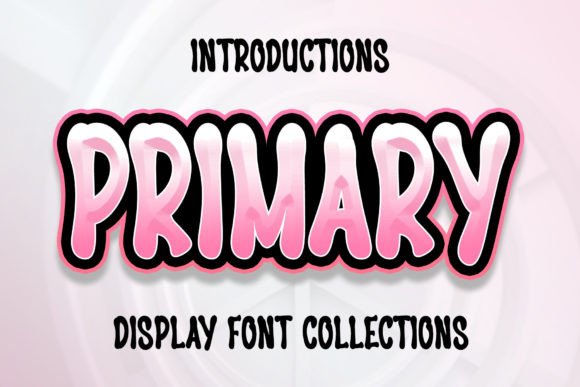
Primary is a display font designed to highlight projects that demand a bold feel. In this case, the blog focuses on active lifestyles, fitness routines, and outdoor adventures—themes that align perfectly with the dynamic rhythm of Primary. When used in the header, it immediately set the tone for the content below, creating a visual hierarchy that guided the reader’s eye from the title down to the featured articles.
The font’s clean lines and strong strokes gave the header a sense of power and movement, which felt especially fitting for a publication targeting readers who lead active lives. It wasn’t just about making the title stand out—it was about reinforcing the editorial mood through typography.
Primary in Recipe Ebooks and Digital Magazines
In another project, I tested Primary for a recipe ebook focused on healthy meals and quick cooking. While the body text relied on a more readable sans serif font, the chapter titles and section headers were given a boost with Primary. The result was a striking contrast that helped break up the content and make each section feel distinct.
What stood out was how well Primary balanced boldness with readability. Even though it’s a display font, it didn’t feel too heavy or overwhelming when paired with lighter, more legible fonts for the main content. This makes it a great option for digital magazines, course PDFs, or any publication where you want to emphasize key sections without sacrificing usability.
Primary for Newsletter Graphics and Pull Quotes
When designing a newsletter graphic for a coaching workbook, I wanted to add some visual interest to the pull quotes. Primary fit the bill perfectly. Its expressive nature added a touch of personality to the quotes, making them feel more engaging and impactful.
I also experimented with using Primary as a decorative accent in the newsletter’s sidebar. It worked well for headings and call-out boxes but wasn’t suitable for longer blocks of text. This reinforced what I’ve learned about Primary: it shines best when used sparingly, as a way to highlight important elements rather than as a primary reading font.
Readability Considerations and Practical Pairings
While Primary is a powerful display font, it’s not intended for long-form reading. Its bold character makes it less ideal for dense paragraphs, small captions, or formal reports. However, when paired with a complementary serif or sans serif font, it becomes a versatile tool in editorial design.
For instance, pairing Primary with a clean sans serif font like Helvetica or a traditional serif font like Garamond creates a balanced look that supports both visual interest and readability. This combination works well for print materials, PDF exports, and even mobile layouts, ensuring that the design remains functional across different platforms.
Before using Primary in any commercial project, it’s worth checking the included styles, ligatures, and multilingual support. These features can impact how the font performs in various editorial contexts, especially if you’re working on global publications or multilingual content.
Whether you're redesigning a blog header, crafting a digital magazine layout, or enhancing a printable planner, Primary offers a bold, expressive option that can elevate your editorial design. It’s a display font that brings energy and clarity to any project that needs a strong visual statement.